
Advanced optical imaging reveals hidden activity in blood immune cells
A routine blood sample contains a diverse collection of immune cells that can reveal important clues about health and disease. These cells, known as peripheral blood mononuclear cells (PBMCs), are widely used to study infections, autoimmune disorders, cancer and the immune system's response to treat...
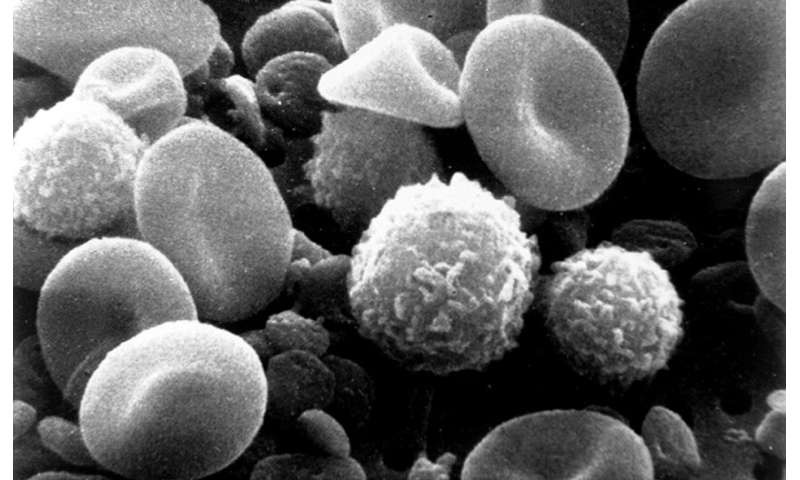
Image: Phys.org
A routine blood sample contains a diverse collection of immune cells that can reveal important clues about health and disease. These cells, known as peripheral blood mononuclear cells (PBMCs), are widely used to study infections, autoimmune disorders, cancer and the immune system's response to treatment. Scientists typically identify these cells using fluorescent labels that attach to specific surface markers. While effective, those methods provide limited information about how the cells are functioning and can alter the cells during preparation. As reported in Biophotonics Discovery, a recent study shows how advanced optical imaging can reveal a previously inaccessible layer of information: the metabolic activity of individual immune cells within a complex blood sample.
Originally published at Phys.org


